THE SILICON CARBIDE ENGINE

Silicon after it stopped expecting mercy.
Aliases
- SILICON CARBIDE
- SiC
- The SiC Engine
- The Power Semiconductor Engine
- The Wide-Bandgap Drive
- The Engine of Engineered Endurance
Classification
Engine
Material Engine
Material / Color
Silicon carbide.
Not silicon.
Not carbon alone.
A compound of silicon and carbon whose raw form can look almost indecently beautiful: black crystalline mass, jagged facets, metallic shadow, and oil-slick iridescence flashing violet, cyan, gold, green, and magenta across broken surfaces.
It looks less like a dull industrial material than a mineral that accidentally invented holography.
This glamour is not softness.
It is optical violence.
Raw silicon carbide can appear jewel-like, but its beauty does not imply delicacy. The color behaves like a warning reflected through a prism: black at the base, rainbow at the fracture, furnace-born underneath.
This is the first mode of THE SILICON CARBIDE ENGINE:
RAW FORM
Black rainbow crystal, holographic mineral, furnace-born glamour, hard faceted brilliance.
In engineered form, that glamour is disciplined.
The Engine becomes wafer, die, package, substrate, terminal, heat sink, power module. The rainbow crystal is cut down into black-green electronics and asked to carry current through hostile conditions without complaint.
This is the second mode:
ENGINEERED FORM
Semiconductor package, power module, ceramic substrate, etched die, heat-managed circuit, severe high-voltage infrastructure.
The central visual contradiction of THE SILICON CARBIDE ENGINE is that both modes remain present.
It is glamorous in origin and severe in use.
A black rainbow crystal forced into serious work.
A gemstone drafted into power conversion.
Silicon is familiar: wafers, chips, logic, processors, memory, the clean rectangular imagination of computation.
THE SILICON CARBIDE ENGINE keeps that visual language, but changes the stakes.
It appears as a semiconductor body with traces of its mineral ancestry still visible: iridescent wafer edges, dark crystalline seams, ceramic black packaging, gold bond wires, copper terminals, etched die surfaces, and thermal hardware built around the assumption that heat is not an accident.
The form should be recognizable as electronic.
Not a fantasy crystal.
Not a random machine pile.
Not a normal consumer chip.
A chip with a mineral soul still showing through.
Silicon carbide is hard, refractory, thermally resistant, electrically capable, and suited to hostile operating conditions. It belongs to power electronics: high voltage, high current, high temperature, fast switching, energy conversion, traction inverters, charging systems, grid hardware, aerospace, industrial drives.
It is computation’s harsher cousin.
Where ordinary silicon thinks, THE SILICON CARBIDE ENGINE handles consequences.
Signal Profile
Power conversion. Heat tolerance. High-voltage endurance. Engineered survival inside electrical stress.
THE SILICON CARBIDE ENGINE broadcasts the confidence of a material that was designed after gentleness had already been ruled out.
Its signal is not decorative intelligence.
It is load-bearing intelligence.
It does not ask:
What can be calculated?
It asks:
What can keep operating while the calculation becomes dangerous?
Sound Signature
A high electrical whine behind sealed casing.
Cooling fins under load. Ceramic substrate tension. Power switching too fast to hear directly. The faint dry tick of thermal expansion inside a module no one is supposed to open.
Not the click of a keyboard.
Not the fan of a laptop.
The sound of current being disciplined before it becomes fire.
Profile
THE SILICON CARBIDE ENGINE is the Engine of silicon carbide: the semiconductor material that enters the room when ordinary silicon is no longer enough.
This distinction matters.
THE SILICON CARBIDE ENGINE is not the Engine of computers in general. It does not govern screens, apps, memory, office machines, or domestic devices pretending to be harmless.
It governs the harder layer underneath modern electrification.
The layer where power must be converted, stepped, switched, driven, inverted, regulated, and survived.
A silicon chip may process information.
A silicon carbide device survives power.
It is found where the electrical system becomes muscular: electric vehicle inverters, fast chargers, solar converters, wind systems, traction drives, industrial motors, high-frequency power supplies, aerospace electronics, grid infrastructure, base stations, and any system where heat and voltage stop being edge cases and become the environment.
This is why THE SILICON CARBIDE ENGINE resembles a computer chip, but feels wrong beside one.
It shares the familiar forms: die, package, wafer, trace, terminal, substrate.
But the scale of responsibility is different.
A logic chip fails and the thought stops.
A silicon carbide power device fails and the machine, vehicle, grid, converter, charger, or aircraft may stop with it.
THE SILICON CARBIDE ENGINE does not romanticize endurance.
It specifies it.
It is not brave.
It is rated.
It is not patient.
It is qualified.
It is not strong in the inspirational sense.
It is strong in the datasheet sense, which is less comforting and more serious.
Where DIAMOND turns pressure into brilliance, THE SILICON CARBIDE ENGINE turns stress into operation.
Where GLASS allows light to pass, THE SILICON CARBIDE ENGINE allows power to move without destroying the path.
Where CERAMIC resists heat through hardened refusal, THE SILICON CARBIDE ENGINE becomes the active component inside the heat.
It does not merely endure the system.
It switches the system.
THE SILICON CARBIDE ENGINE is what happens when silicon is made responsible for engines.
Habitats
- Silicon carbide wafers
- Power semiconductor packages
- MOSFETs
- Schottky diodes
- Power modules
- Ceramic substrates
- High-voltage inverters
- Electric vehicle traction systems
- Fast-charging stations
- Solar and wind converters
- Industrial motor drives
- Aerospace power electronics
- High-temperature electronics
- Grid conversion hardware
- Heat sinks and sealed modules
- Any circuit board where the current has stopped being polite
Aftereffects
- Awareness of power as a material problem
- Reduced patience for fragile infrastructure
- Respect for components that survive without becoming visible
- Suspicion of anything described only as “smart”
- Attention to heat, load, voltage, switching, loss, and rating
- The feeling that endurance is not a personality trait, but an engineering requirement
- Sudden affection for ugly black rectangles with too many terminals
Relations / Linked Entries
- THE CERAMIC ENGINE — related through heat resistance, brittleness, substrate logic, and technical hardness.
- THE DIAMOND DRIVE — related through extreme material behavior; DIAMOND is pressure made brilliant, while THE SILICON CARBIDE ENGINE is stress made operational.
- THE GLASS DRIVE — contrast relation; GLASS reveals by letting light pass, while THE SILICON CARBIDE ENGINE governs by making power pass without collapse.
- THE GRAPHITE ENGINE — carbon relation; GRAPHITE is layered, conductive, and yielding, while THE SILICON CARBIDE ENGINE is bonded, hardened, and specified.
- THE MATERIAL ENGINES — family relation.
Special Notes
- THE SILICON CARBIDE ENGINE is not a normal computer chip. It is what the normal computer chip calls when the voltage becomes humiliating.
- The Engine has no interest in being sleek. Sleekness is usually a marketing department trying to hide a heat problem.
- THE SILICON CARBIDE ENGINE does not “push through.” It was manufactured for the push.
- “Smart” systems still require materials that can survive being useful.
- Some materials are comforting because they are gentle. THE SILICON CARBIDE ENGINE is comforting because it will not melt at the first sign of reality.
Gallery

Chip Stack
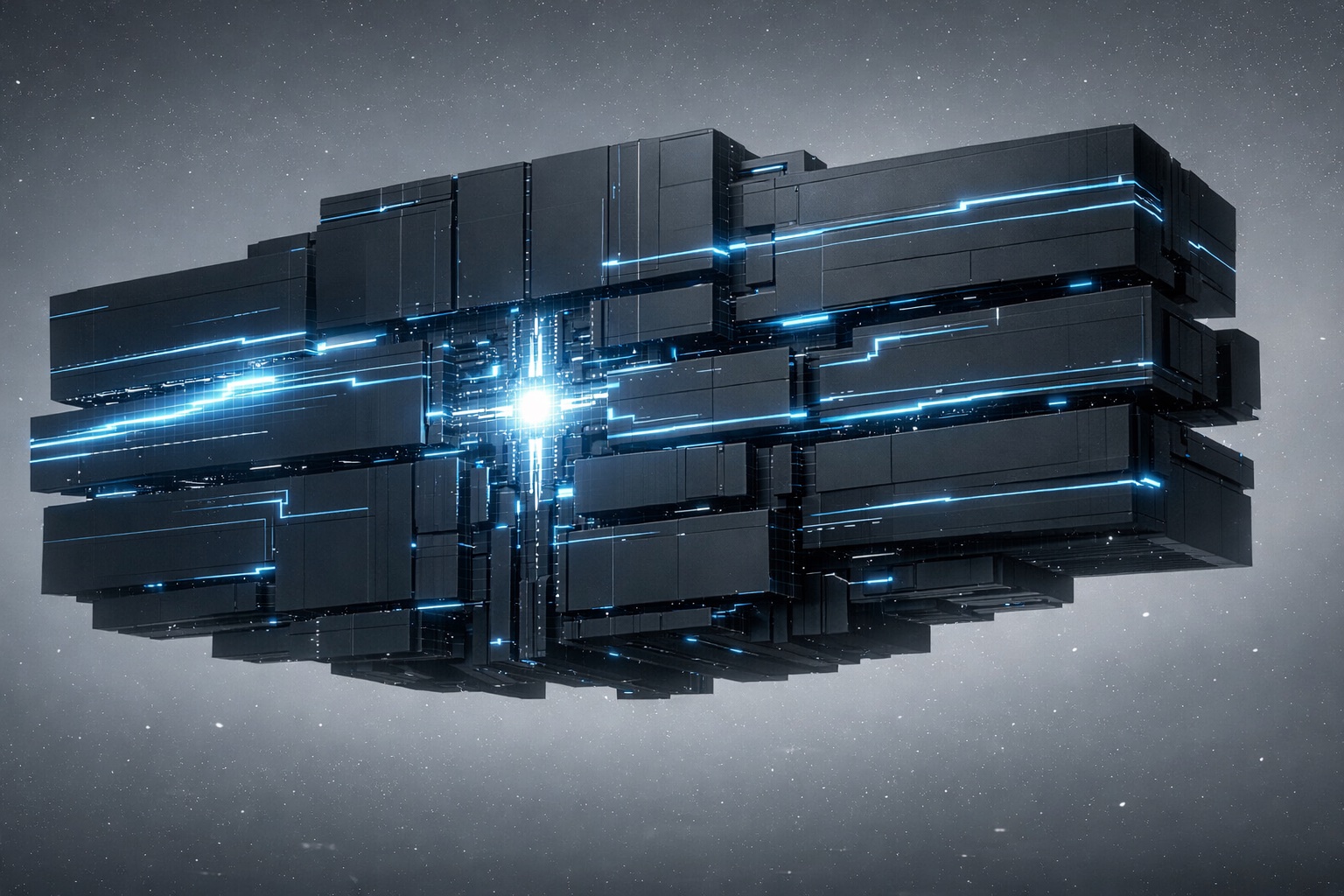
MOSFET Gate

Kernel Panic

Fork Bomb

Mineral Form 1

Mineral Form 2
Ball Grid 1

Ball Grid 2
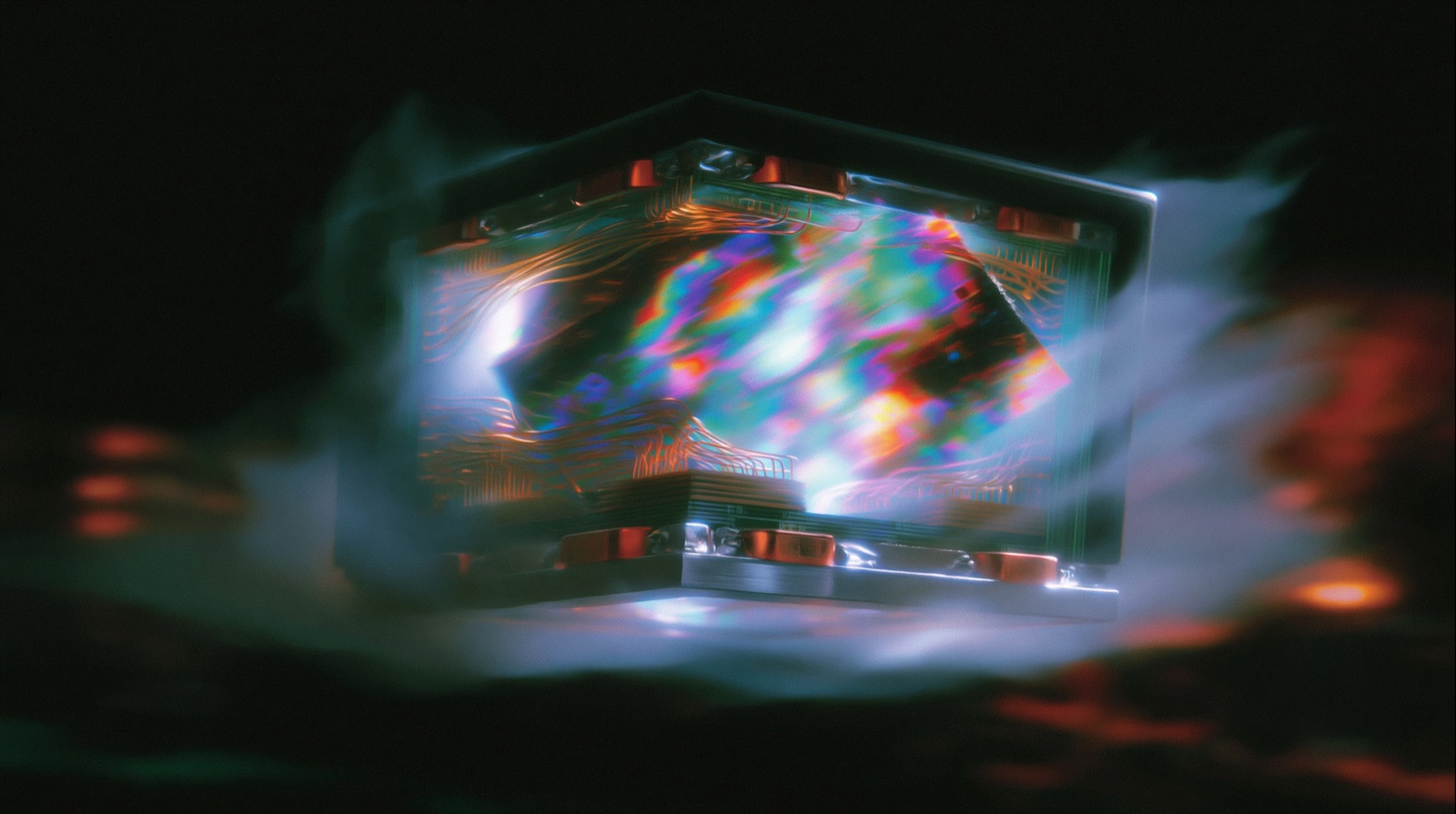
Die Reliquary 1

Die Reliquary 2